

Thank you for Subscribing to Gov Business Review Weekly Brief

Town of Fort Erie
Chris McQueen, Chief Administrative Officer
Building Municipal Decisions That Last
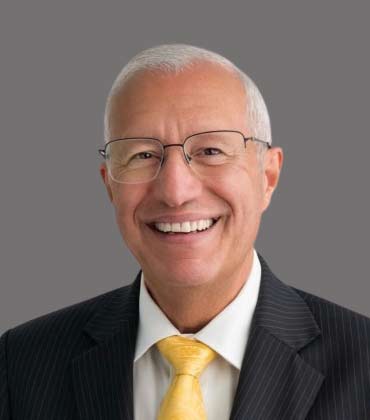
Chris McQueen
Chris McQueen is Chief Administrative Officer at the Town of Fort Erie, where he oversees municipal administration and works with Council to translate long-term priorities into day-to-day execution. His career spans more than two decades in municipal government, healthcare administration and strategic consulting. His leadership reflects a consistent focus on planning, organizational performance and practical public service.
Keeping Long-Term Plans Grounded Municipal leaders face constant pressure to balance immediate community needs with decisions that will shape a municipality for decades. Housing demand, infrastructure investment and economic development often compete for limited resources while public expectations continue to grow. McQueen's role sits at the center of those decisions. Since becoming CAO in 2022, he has been responsible for coordinating departments, supporting Council's priorities and ensuring that strategic plans translate into measurable action. His earlier experience as a municipal CAO, senior executive within Niagara Region and Vice President of Operations at Vineland Research & Innovation Centre gives him experience working through policy, finance and service delivery from different perspectives. That background becomes especially relevant as Fort Erie continues to manage population growth along with investments in community infrastructure and local economic activity. Public updates on the municipality's strategic plan show an emphasis on keeping long-term objectives connected to visible progress rather than treating planning as a document that sits on a shelf. Looking Beyond Reactive Service Residents typically judge local government through everyday interactions, whether they are requesting permits, reporting concerns or seeking information. Improving those experiences more on how administrative systems anticipate public needs. McQueen has publicly emphasized proactive customer service as a management approach. He has argued that municipalities should reduce unnecessary contacts by making information easier to find before residents need to ask for it. Better online communication, timely public messaging and clearer digital services can reduce routine inquiries while allowing staff to spend more time addressing complex issues. That perspective describes a broader administrative philosophy. The objective is not simply responding efficiently once problems appear. It is reducing friction before residents experience it. For a CAO, that requires coordination between departments as well as consistent attention to how internal decisions affect public experience. Connecting Growth With Community Priorities Economic growth brings opportunities for municipalities, although it also creates additional demands on infrastructure, planning and public services. Administrative leadership involves coordinating those competing priorities without allowing one objective to overshadow another. McQueen's public engagement regularly highlights new business investment, community facilities, planning milestones and municipal recruitment. Those activities are less about promotion than maintaining visibility into how Council priorities are progressing. Fort Erie's recently approved Official Plan, which guides land use and development through 2051, illustrates the kind of long-range work that requires sustained coordination between administration, elected officials and external stakeholders. The role also extends beyond planning documents. Recruiting department leaders, supporting capital projects and maintaining relationships with community organizations all influence how municipal priorities move from approval into implementation. Chris McQueen's work reflects the practical demands placed on today's chief administrative officers. Success depends on connecting strategy with execution while maintaining public trust through consistent service delivery. For municipal leaders facing growth, resource constraints and rising community expectations, that combination of planning discipline and everyday administrative focus remains central to effective local government.The articles from these contributors are based on their personal expertise and viewpoints, and do not necessarily reflect the opinions of their employers or affiliated organizations.
