

Thank you for Subscribing to Gov Business Review Weekly Brief
Gov Business Review: Specials Magazine
Every morning, when I walk into my office at City Hall, I am reminded that public service is both a privilege and a responsibility. As City Manager for Tulare, California, I oversee a community of about 72,000 residents and a full-service organization that includes everything from police and fire protection to water, sewer, and utilities. With a total annual budget of roughly $225 million and about 500 employees, managing a city like ours requires both strategy and heart. Tulare is a charter city that operates under the council–manager form of government. Our five elected city council members set the policy direction, and I am responsible for implementing that vision and managing the city’s day-to-day operations. It is a role that demands balance between leadership and listening, fiscal discipline and human compassion. My job is to ensure that services are delivered efficiently and that every department—from parks and public works to police and finance—runs smoothly. But beyond the mechanics of city management lies something more profound: the stewardship of a community’s trust. No two days are the same. One moment, I may be meeting with department heads to discuss infrastructure priorities. The next, I may be reviewing budget forecasts or addressing citizen concerns about housing or public safety. Each decision, whether it involves approving a new subdivision or upgrading a traffic system, ultimately impacts the quality of life for our residents. The breadth of responsibility is vast, which makes this work deeply meaningful. The Changing Landscape of Local Governance City management does not exist in isolation. The national economy, global events, and technological advances all ripple through our local systems. Inflation affects the cost of materials for public works projects. New regulations influence our planning and zoning. The rapid evolution of technology reshapes how we interact with citizens.
CXO INSIGHTS

Brownsville Leaps into the Future
Helen Ramirez, City Manager, City of Brownsville, Texas
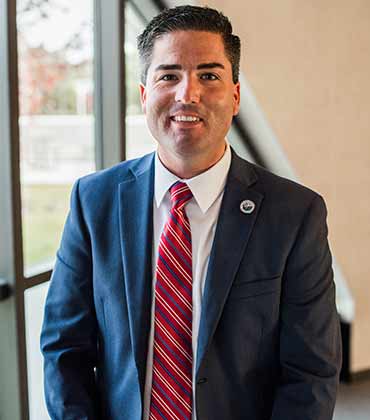
Driving Economic Growth Rooted In Public Trust
James Freed, City Manager, Chief Administrative Officer, City of Port Huron

Transforming Local Governance with Integrity and Innovative Thinking
Dennis Champine, City Manager, the Michigan City of Center Line
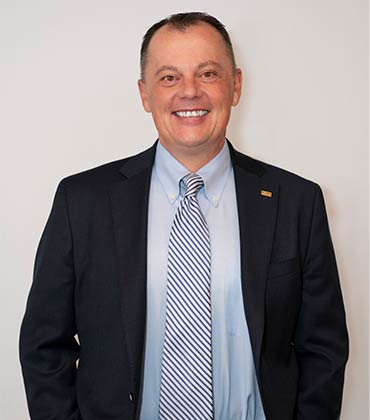
Leading Transformation In A Growing Community
Travis Rothweiler, City Manager, City of Twin Falls
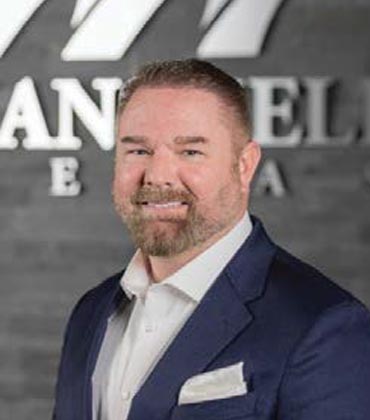
Transforming Mansfield through Strategic Leadership and Technology
Joe Smolinski, City Manager, City of Mansfield, Texas
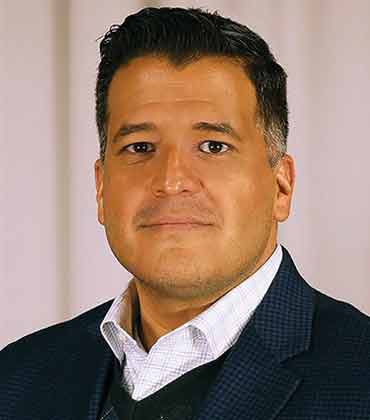
Listening. Learning. Leading.
Jose Madrigal, City Manager, City of Durango
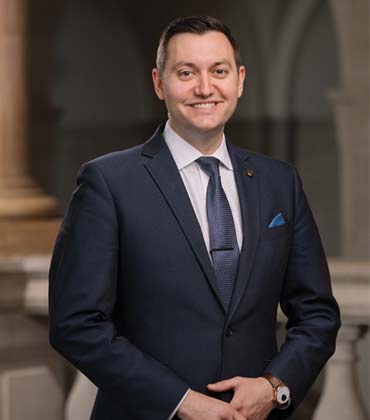
Turning Potential into Progress for Residents and Businesses
Andrew Bowsher, City Manager, City of Sidney, Ohio

Purpose-Driven Leadership for a Changing Cityscape
John Noblitt, City Manager, City of Sanger

Shaping Forward-looking Cities with Collaboration and Connection
Jon Amundson, ICMA-CM, City Manager, City of Richland

Ensuring Resident Need Satisfaction with Effective Housing Management
Tyra Johnson Brown, Director of Housing Policy and Community Development, Mayor LaToya Cantrell, City of New Orleans

Building Smarter Solutions for a Stronger Future
Ria Pavia, Deputy Director of Innovation, Performance and Audit, City of Ontario


IN FOCUS

Compliance as the Foundation of Business Integrity
Businesses can harmonize compliance and agility by integrating compliance into workflows, fostering a culture of shared responsibility, and utilizing automated tools for continuous monitoring, enhancing innovation and trust.

The City Manager's Path to Effective Governance
The City Manager’s role in building trust is not just about adhering to regulations; it's about fostering a culture where government is seen as a reliable and effective partner to its citizens.
EDITORIAL
Redefining City Leadership for a Transforming Urban World
The city manager’s role has morphed into something unrecognizable from even five years ago. It’s no longer just about operational oversight; it’s about managing simultaneous crises across climate, housing, fiscal constraints and infrastructure collapse, all while federal and state funding arrives with mandates but rarely sufficient funds.
Today’s city managers are deploying federal infrastructure dollars, coordinating extreme weather response plans that activate multiple times per year and managing housing crises that have turned zoning meetings into referendums on municipal identity. They’re navigating autonomous vehicle pilots, micromobility regulations and broadband equity mandates while legacy water and transit systems require billions in deferred maintenance.
The data infrastructure they oversee has become mission-critical. Real-time traffic management, gunshot detection systems, predictive maintenance algorithms and community engagement platforms generate streams of information that demand not just analysis but ethical governance. Algorithmic accountability is determining where resources flow and who gets heard.
What’s most striking is the cultural shift. Participatory budgeting platforms, digital town halls and co-design processes have made governance uncomfortably transparent. City managers now operate in full view, expected to synthesize technical expertise with emotional intelligence while maintaining nonpartisan credibility in environments that are anything but apolitical.
Authority no longer comes from the charter. It comes from showing up consistently, making complex tradeoffs visible and earning trust one community meeting at a time. That’s not administration. That’s statecraft at municipal scale and it’s relentless.
In this edition, we profile city managers navigating the most demanding governance environment in recent memory, coordinating crises, managing scarce resources, and building trust in real-time. We hope you find insights and partners equal to the complexity your organization faces.
