

Thank you for Subscribing to Gov Business Review Weekly Brief

City and County of Denver
Al Gardner, Executive Director of Public Safety
Public Safety Through an Ecosystem Lens
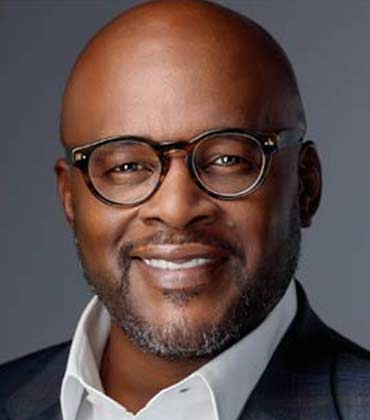
Al Gardner
Al Gardner is the Executive Director of Public Safety for Denver and the city’s 2026 Deputy Mayor. Appointed by Mayor Mike Johnston, he oversees the police, fire, and sheriff departments. A former IT executive and civilian oversight chair, Gardner focuses on operational transparency, community trust, and data-driven safety strategies.
Leading Through Systems Thinking Public safety has never been a single function, department, or response. At its best, it is an ecosystem that includes prevention, enforcement, detention, and stability coupled with trust. Leading within that ecosystem requires more than command-and-control instincts; it requires the ability to listen, connect systems, and anticipate challenges before they arrive. The leadership skill that has proven most critical in managing complex city and county public safety operations is systems thinking grounded in humility. Police, fire, sheriff, 911, community corrections, emergency management, and community partners do not operate in isolation, nor should they. Leaders must see the interdependencies between agencies, budgets, data, people, and communities—and admit that no single discipline has all the answers. Listening first is not a soft skill in public safety; it is a strategic one. High-pressure moments test every assumption we hold about priorities and resources. Decision-making must be guided by pre-established frameworks, trusted relationships, and accurate information—not adrenaline alone. Preparation, including scenario planning, joint training, shared governance structures, and a clear understanding of success before a crisis, allows leaders to act decisively without acting recklessly. Collaboration, Trust, and Community Engagement Collaboration across public safety departments does not happen by memo; it is built through shared purpose and reinforced by shared outcomes. Joint planning, cross-agency exercises, and aligned performance measures help break down silos that have existed for decades. Collaboration also requires cultural work—creating space where leaders can disagree constructively, challenge assumptions, and still leave aligned. Trust between agencies is just as important as trust with the public.Efficiency without trust creates distance. Trust without effectiveness erodes confidence. The answer lies in transparency, feedback, and presence.
The articles from these contributors are based on their personal expertise and viewpoints, and do not necessarily reflect the opinions of their employers or affiliated organizations.
