

Thank you for Subscribing to Gov Business Review Weekly Brief

City of Morgan Hill
Matthew Mahood, Economic Development Director
Using Civic Engagement as a Tool to Support Local Economic Development
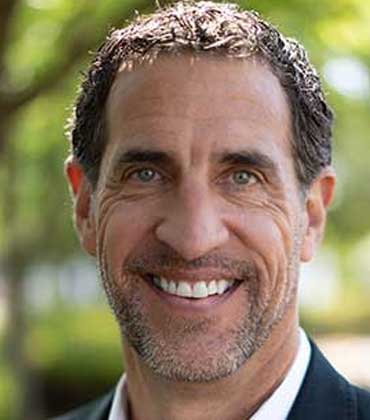
Matthew Mahood
Matthew Mahood currently serves as the Economic Development Director for the City of Morgan Hill, where he is focused on growing the City’s general fund revenue, creating high-quality jobs, and enhancing the community’s quality of life. Prior to joining the City, he served as President and CEO of two of Northern California’s largest chambers of commerce, the Silicon Valley Organization and the Sacramento Metro Chamber, where he led the development and implementation of innovative workforce, community, and economic development initiatives. With over 30 years of senior management experience, Mahood has led organizations through complex business and political environments spanning private enterprise, high-profile non-profits, and the public sector.
Local governments are on the front lines of economic development. We approve projects, manage infrastructure, balance budgets, and respond directly to residents’ concerns about growth and change. In this environment, I have learned that civic engagement is not simply a public relations exercise; it is a powerful strategic tool available to local leaders in order to move projects forward successfully. Building Public Trust as the Foundation Economic development is often judged by outcomes: jobs created, investment attracted, or tax revenue generated. But the determining factor in whether those outcomes actually materialize is frequently tied to public trust. Communities that trust their local government are more receptive to growth, more willing to engage in productive dialogue, and more likely to support long-term investments. Without public trust, even the most well-designed and best-intentioned projects can become stalled by opposition, misinformation, or procedural delays, especially in today’s world of online social media community forums, where facts are often replaced by rumors and misinformation. Engaging Early to Turn Community Input into Project Momentum For local government leaders, the challenge is not whether to engage the public, but how and when. Too often, engagement begins too late in the process, after plans are largely finalized and approvals are already underway. At that point, outreach can feel performative rather than meaningful, and residents may conclude that decisions have already been made. In my experience, this dynamic will breed frustration and resistance, not collaboration. Trust me, I have learned this the hard way. Although it may not seem instinctive, civic engagement should be viewed as a way to accelerate progress, not slow it down. Projects shaped by early input tend to face fewer delays, less litigation, and stronger long-term community support. When concerns are identified early, they can often be addressed through design, phasing, or mitigation strategies rather than costly redesigns or political standoffs later.Civic engagement is not simply a public relations exercise; it is a powerful strategic tool available to local leaders in order to move projects forward successfully.
The articles from these contributors are based on their personal expertise and viewpoints, and do not necessarily reflect the opinions of their employers or affiliated organizations.
